


> Home > What to visit > Surroundings

Montalcino
OLD TOWN

PHONE NUMBERS AND TIMES
Montalcino
Business card (vCard)
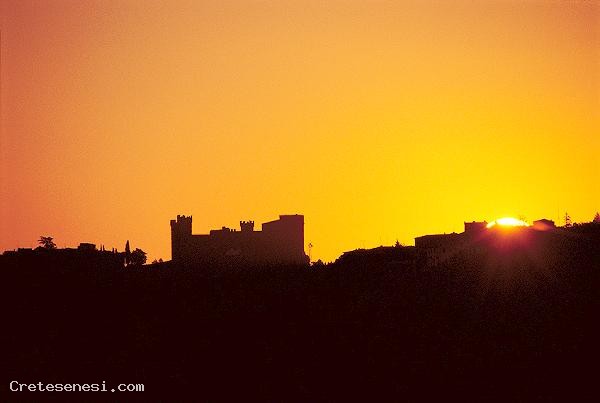
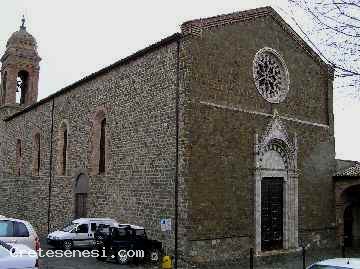
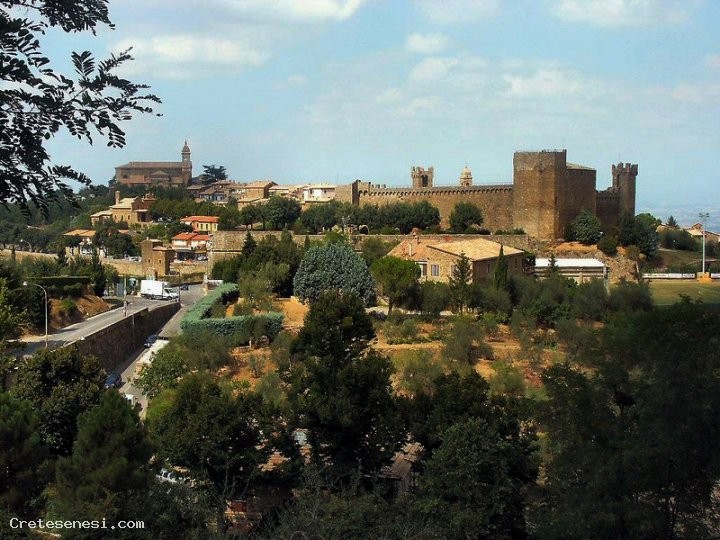
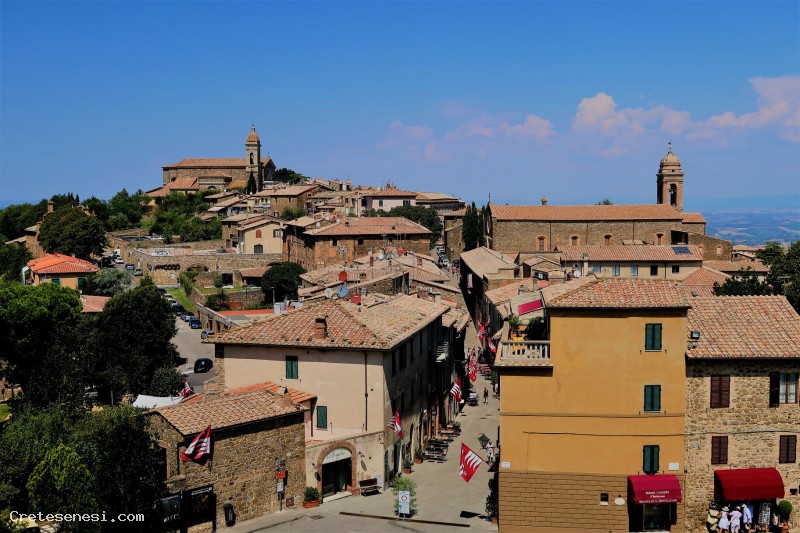
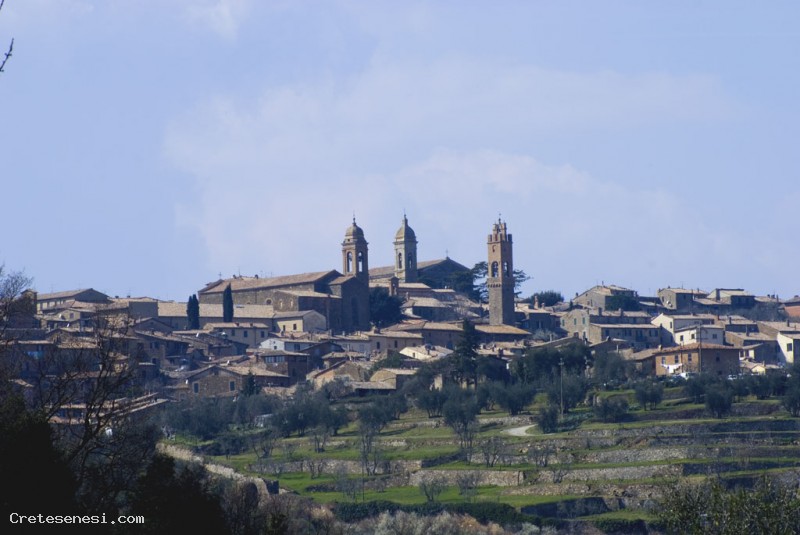
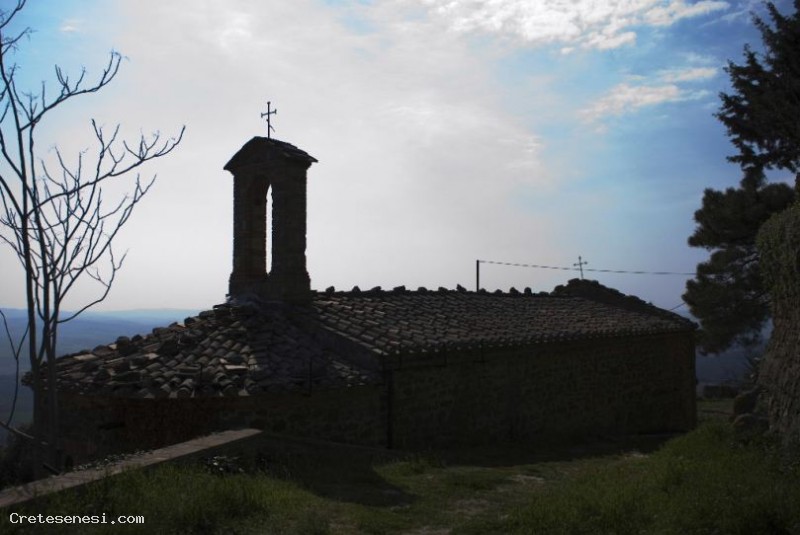
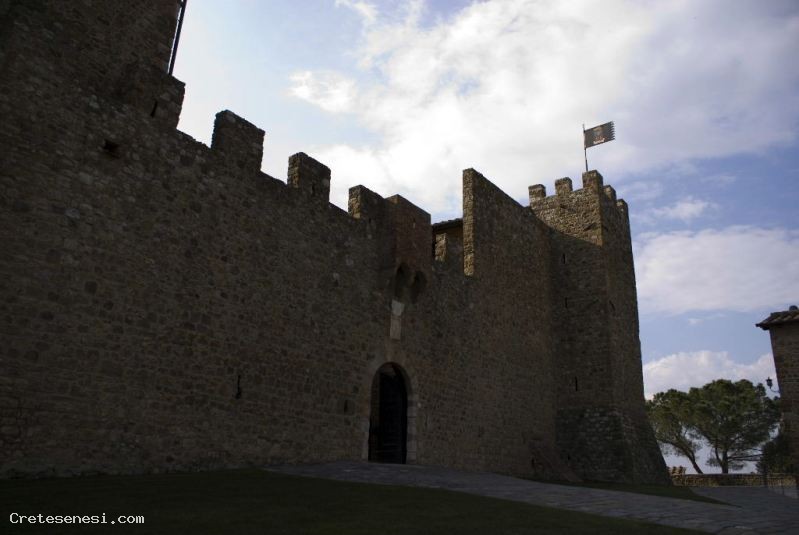
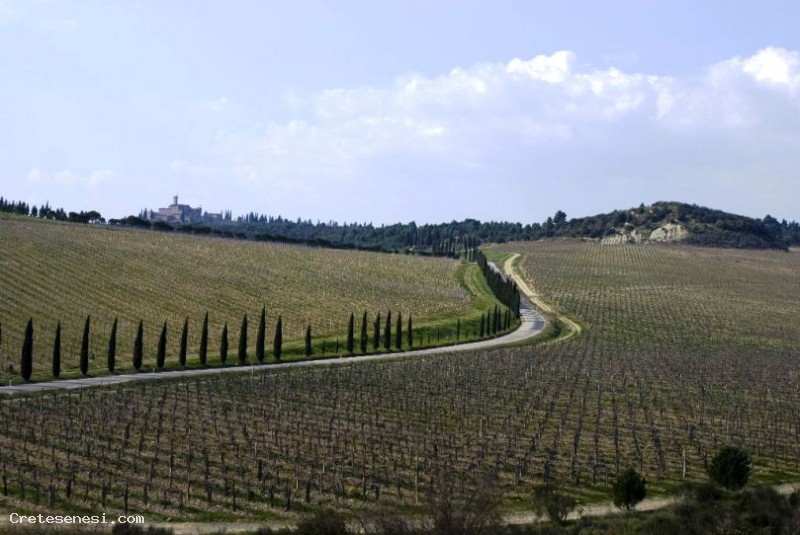
Collocated on a hill 564 metres above sea-level, Montalcino keeps untouched its charm of abcient medieval village. Its territory, which belongs to the Val d’Orcia park, is covered with the cultivations of grapevines, olive trees and woods in which prevail holm oaks and of which Latin term (Ilex)probably comes the name Montalcino( Mons Ilcinus). The first important standing presence on the territory is linked to the archeological site of Poggio della Civitella (on a hill 3 km from Montalcino)with Etruscan rests of the archaic and Hellenistic period: starting from the IV century, the hill has given hospitality to a village and later to a fortress with 3 defensive circuits probably abandoned during the III century B.C. The most ancient document about Montalcino dates back to 715 B.C., signed by the Longobard king Liutprando, it testifies the dispute among the Bishop of Arezzo and that of Siena for the possession of some parishes in Montalcino. The other Middle Ages-document (814) on the contrary is about the donation of the territory of Montalcino from Ludovico il Pio to the Abbey of Sant’Antimo, a wonderful architectonic complex which today is 9 km from Montalcino. Elevated to the level of city and become a Diocese in 1462 by the Pope Pio II Piccolomini, the Renaissance Montalcino lived historical moments of great tensions because of the dispute between Florence and Siena for the hegemony on the territory. After the surrender of Siena to the Medici in 1555 the sienese exiles, who took cover in the mighty fourteenth-century fortress, founded the Republic of Siena in Montalcino which governed until 1559, from that moment Montalcino suffered the happenings of the Grand Duchy of Tuscany. Walking around the city you can admire numerous architectonic works of Medieval origin, starting from the circle of walls which still keep the ancient gates and part of the large towers, the Town Hall(of the end of the XIII century), the open galleries of Piazza del Popolo, the Cathedral in neo-classic style, the Sanctuary of the Madonna of the Assistance, the Church of Saint Egidio (the sienese church) and the beautiful fourteenth-century churches of Saint Agostino, where there are also some frescos of the sienese School of the XIV century) and of Saint Francesco, with the annexed cloisters. This last church keeps the sixteenth-century frescos by Vincenzo Tamagni, the same author of the frescos of the ancient “studio” into the ancient complex of the Hospital of Santa Maria della Croce, founded in the XIII century and today seat of the Municipal Government. In the complex of the ex-cloister of Saint Agostino, today there is the Civic and Diocesan Museums of Sacred Art, which has been reopened in 1997. It is one of the most important museums of the province of Siena and it offers a complete panoramic of the artistic production of this Tuscan centre.
STAY NEARBY
PIAMPETRUCCI
BUONCONVENTO
“ Piampetrucci” is situated in the country of Buonconvento, 29 km from Siena. ...FATTORIA SANT'ANTONIO
BUONCONVENTO
If you are looking for a charming place where to find relaxation, if you want to dive into...Agriturismo Il Bosco
SAN GIOVANNI D'ASSO
“ Bosco” is an ancient Tuscan farmhouse, dipped into the picturesque landscape...DINING & ENTERTAINMENT NEARBY
TNT PUB PIZZERIA RISTORANTE BIRRERIA
BUONCONVENTO
SERATE IN ALLEGRIA E OTTIMA CUCINA Da Buonconvento si vede la collina di Bibbiano e qui, ...LA PRIMAVERA di Enza di Buono
BUONCONVENTO
GOLOSE DELIZIE NELLA CITTA' DI BUONCONVENTO Condotto dalle simpatiche sorelle Di Buono in...Ristorante I Poggioli
BUONCONVENTO
...