


> Home > What to visit > Palaces and Monuments

Porta di Sant'Andrea a Serre di Rapolano Rapolano Terme
PALACES AND MONUMENTS
PHONE NUMBERS AND TIMES
Porta di Sant'Andrea a Serre di Rapolano
Business card (vCard)
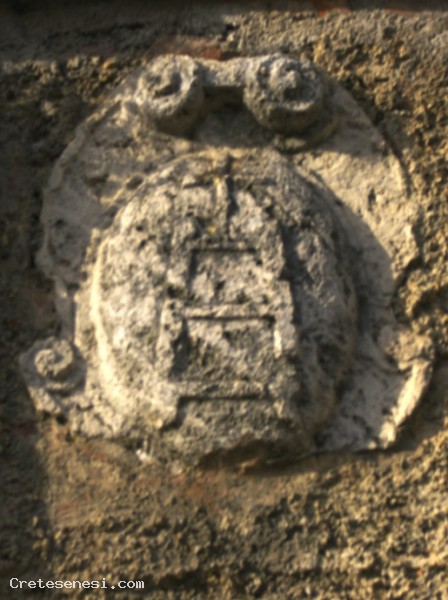
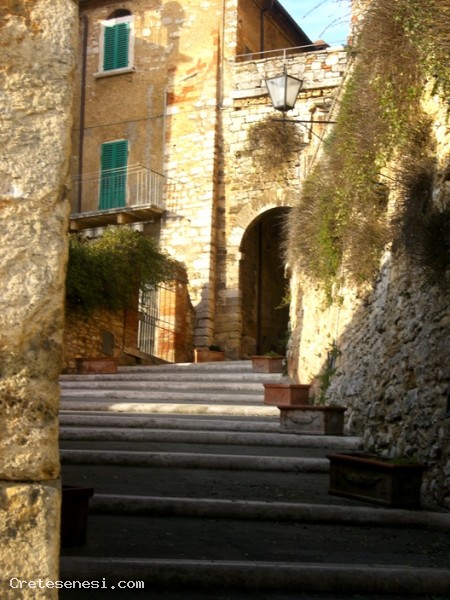
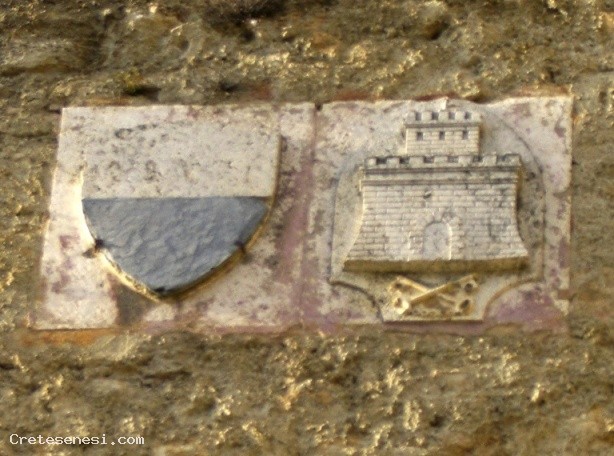
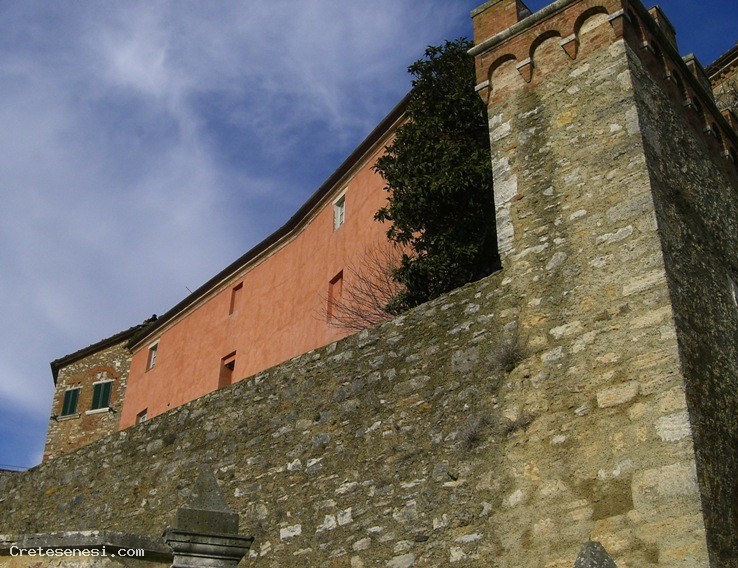
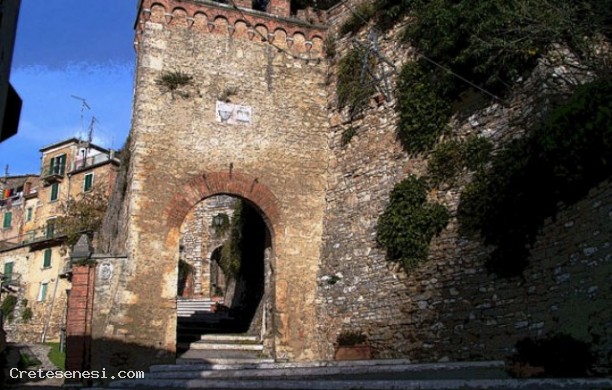
The Porta of Saint Andrea in Serre di Rapolano is so-called because from it you had to pass in order to reach the small church of Saint Andrea Extra Moenia(“outside the walls”). During the centuries, it was called also Porta di Borgo or Porta Sclavi, from the name of a family of pottery makers who had their home and shop in the nearness. It consists of a well worked round arch in travertine ashlars, which lean on two simple jambs. The only decoration is a series of bricks put between two stone-lines. The beat is still untouched and practicable. The inside opening is surmounted by a depressed arch, to the connections of which lean forward two holed stones which were used to protect the hinges. You can see on the sides the holes to put the bars into. The door is original and nearly untouched. In front of the Porta, at the end of a brief but sleep hill, there is still the antiporto of saint Andrea, made up of three structures of different periods. The imposing travertine-abutment which leans against the wall, visible from the inside, is very ancient. On the contrary, the bricked-arch is more recent and it was rebuilt in the second half of the XIV and XV century. Above the arch, on the inside, it is visible the space of the beat. The embattled superior part is more recent, maybe of the end of the XVI century. The antiporto is linked to the Porta by two walls: one is made up of the second south –eastern wall, the other one is a connection with the “revellino” of the western side(the “revellino”is a wall with a bank , built as a defence outside the castle wall. From Porta Sclavi ,climbing towards the historic centre, you will find on your left via Val di Piazza.
STAY NEARBY
Castello delle Serre
RAPOLANO TERME
A jewel of the Tuscan countryside, Castello delle Serre majestically sits at the top of th...Antica Casa i Sucinelli
RAPOLANO TERME
L 'Antica Casa i Sucinelli is a romantic and charming House of three hundred embedde...Agriturismo SAN LORENZO
RAPOLANO TERME
Among the rolling hills of the Crete Senesi to life, shape and color Agriturismo San Loren...DINING & ENTERTAINMENT NEARBY
Teatrino Gori
RAPOLANO TERME
The theatre is very small and it was obtained from a building which was sheltered by the c...Cinema Teatro G. Verdi
RAPOLANO TERME
The idea of building the G. Verdi Theater in Serre arose from the need of th...Ristorante Ischieto
RAPOLANO TERME
Judgement: good, easy-going; nice and romantic place; meat from Val di Chiana; Chianti win...