

> Home > What to visit > Surroundings

Siena
PLACE

PHONE NUMBERS AND TIMES
Siena
Business card (vCard)
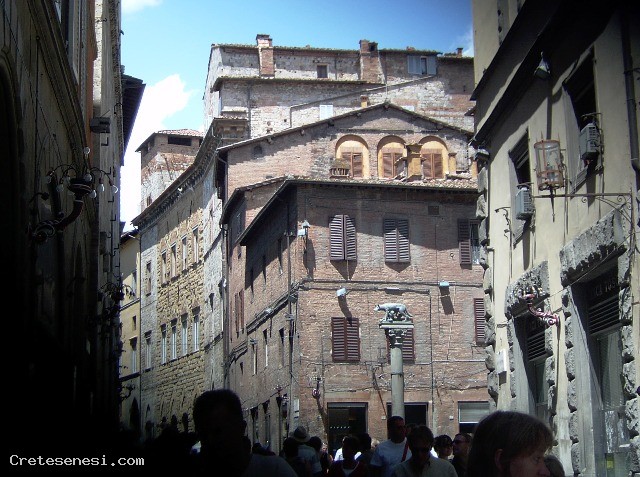
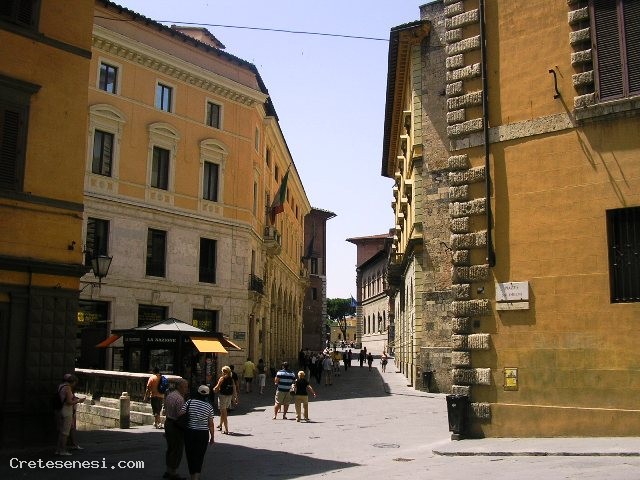
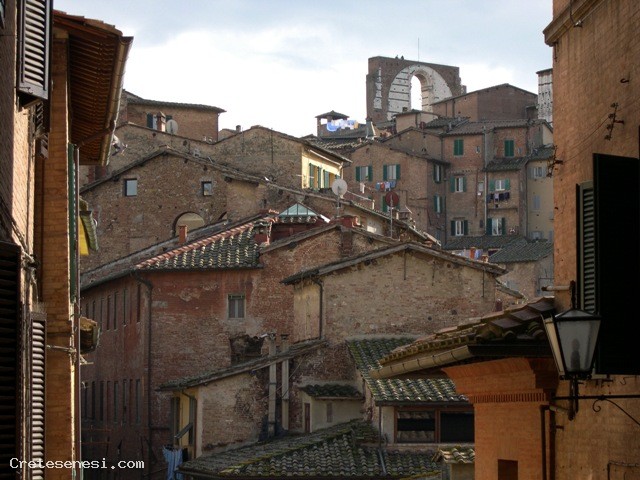
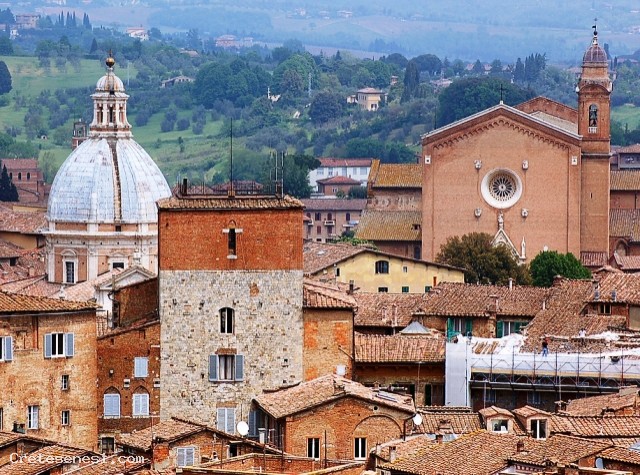
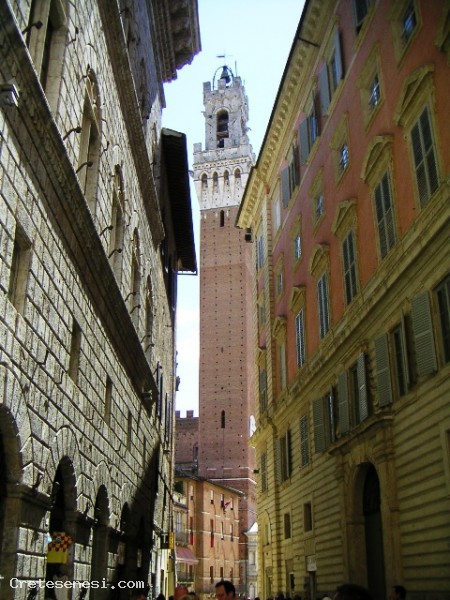
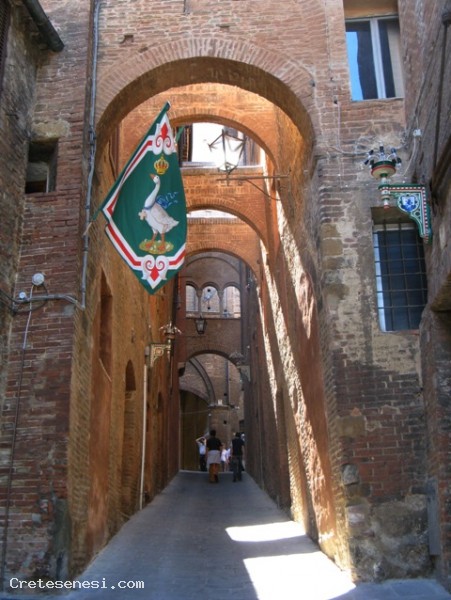
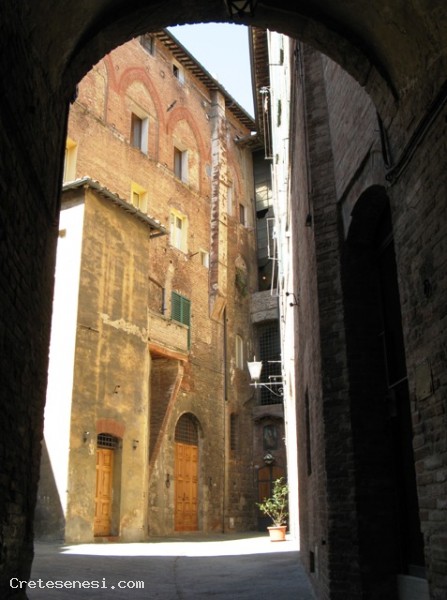
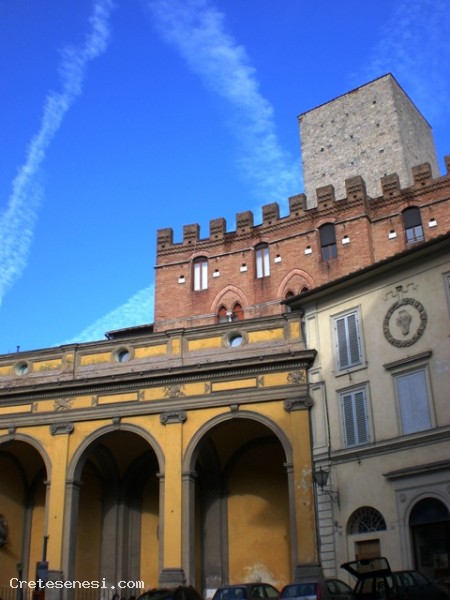
Siena was founded as roman colony at the time of the emperor Augusto and took the name of “Saena Julia”. The scarce reliable information which preceded the foundation talk about the existence of an Etruscan community on which settled the roman military colony at the time of Augusto. The first document in which it is mentioned the sienese community dates back to the 70 A.D. and has the signature of Tacito who, in the IVth book of the “Historiae”, quotes the following episode: the senator Manlio Patruito told in Rome that he was mistreated and made ridiculous with a false funeral during his official visit in Saena Julia, a small military colony of the Tuscia. The roman senator decided to punish the main guilty people and to strictly recall the sienese people to a major respect towards the authority. Since the early Middle Ages we don’t have any documents about the founding of the episcopate and the diocese, especially for the dispute between the bishop of Siena and Arezzo, because of the borders of their jurisdictional area: in this dispute interfered the Long Bard king Liutprando, pronouncing judgement in favour of the diocese of Arezzo. But the sienese people were not satisfied and so in 853 , when Italy passed from the Long Bard domination to that of the Franks, they succeeded in obtaining the cancellation of the judgement of Liutprando. So, it seems that at the time of the Long Bards, Siena was governed by a certain Gastaldo, a king’s representative, who was then replaced by an imperial count after the coronation of Charlemagne. The first count of whom we know something about was Winigi, Ranieri’s son, in 867.After 900 there was in Siena the emperor Ludovico III, whose kingdom was not so lasting, so that in 903 the chronicles tell about the return of the counts to the power under the new government of king Berengario. In the X century Siena is in the middle of the main commercial roads which led to Rome and thanks to it, it became an important medieval town. In the XII century it was provided with a series of communal and consular regulations , it begins to extend its own territory and makes its first alliances . This situation of political and economic importance led Siena to fight for the northern possessions in Tuscany, against Florence. Since the first half of the XII century Siena flourishes and becomes an important commercial centre, keeping a good relationship with the State of the Church; the sienese bankers were a reference point for the authorities of Rome, to whom they addressed for loans or financing. At the end of the XII century Siena, supporting the Ghibelline cause, found itself against Florence, which, at first, got the worst of it, but then the sienese people lost the war during the battle of Colle Val d’Elsa, which led in 1287 to the rise of the Government of the Nine. Under this new government Siena reached its highest economic and cultural splendour. After the plague of 1348, it began the slow falling of the sienese Republic, which reached its epilogue in 1555, when the city had to surrender to the Florentine’s supremacy. A curious episode, between history and science, happened in the south-east of Siena on the 16th June 1794, when a rain of meteorites fell over the city.
STAY NEARBY
MONTAPERTI
ASCIANO
If you want your meeting to become a success for your project, you have finally found the...LE VALLINE
MONTERONI D'ARBIA
“Le Valline” is an ancient farm 6 km from Siena in the Crete Senesi. Hospitali...SAN GIORGIO
MONTERONI D'ARBIA
The farm is situated only 7 km from the centre of Siena, dipped into the tranquillity of t...DINING & ENTERTAINMENT NEARBY
PICCOLA OASI, Ristorante di Tiziana Mori
ASCIANO
Ours is a Rotisserie Restaurant Pizzeria located at Arbia, near Siena. All dishes are ...PICCOLO MONDO, Pizzeria
ASCIANO
This local, carries in its name the size of the space in which it is placed. In fact, ...Pizzeria Bar Peter Pan di Alessia Vegni
MONTERONI D'ARBIA
Un posto speciale dove il forno è sempre caldo per sfornare pizze profumate e di ot...
Incoronazione della Vergine
ANDREA DI BARTOLO