


> Home > What to visit > Surroundings

Bagno Vignoni
OLD TOWN

PHONE NUMBERS AND TIMES
Bagno Vignoni
Business card (vCard)
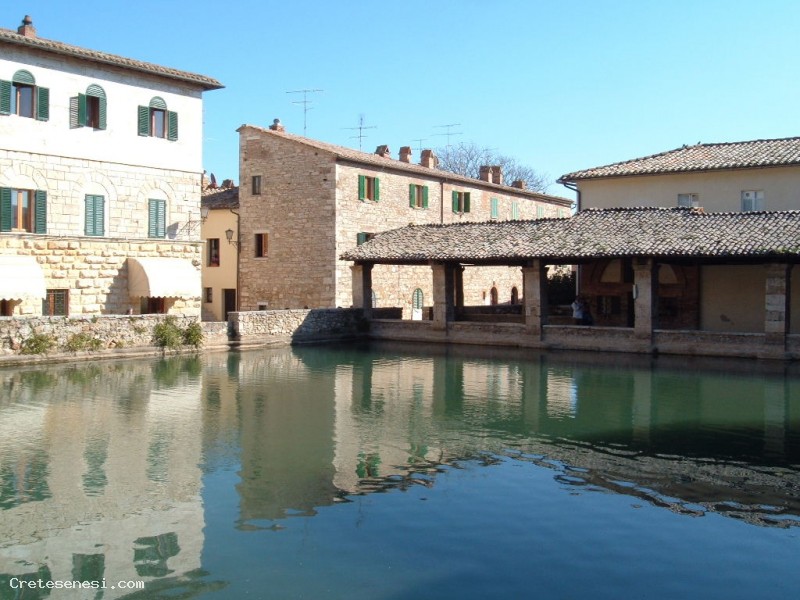
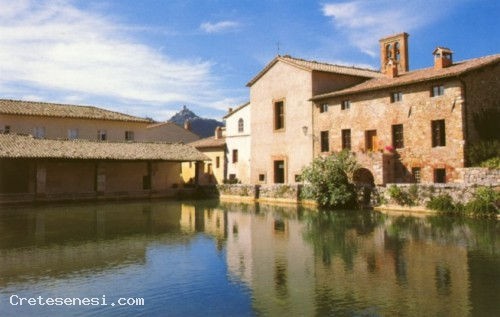
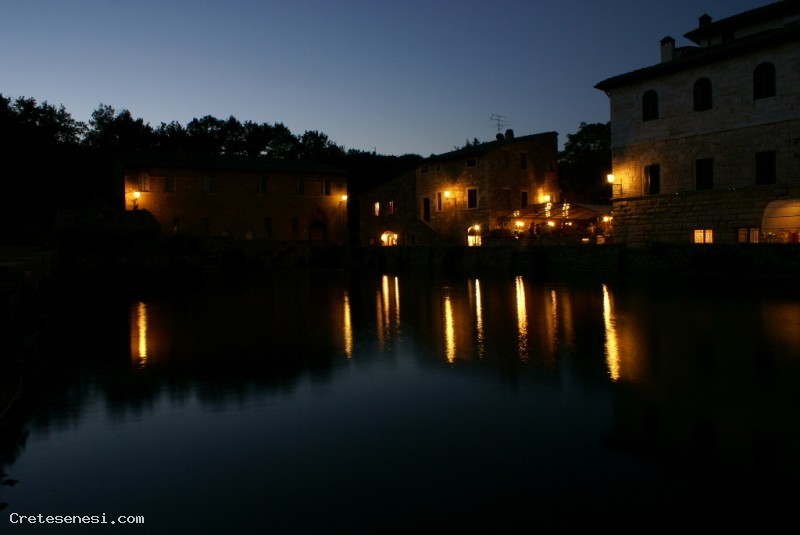
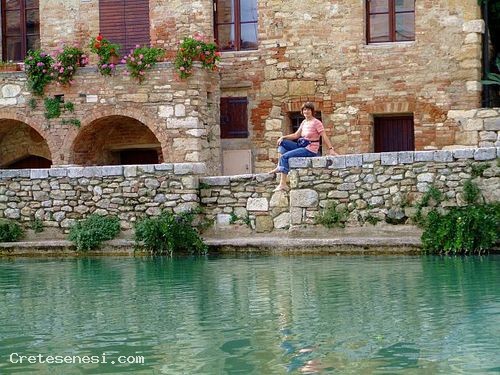
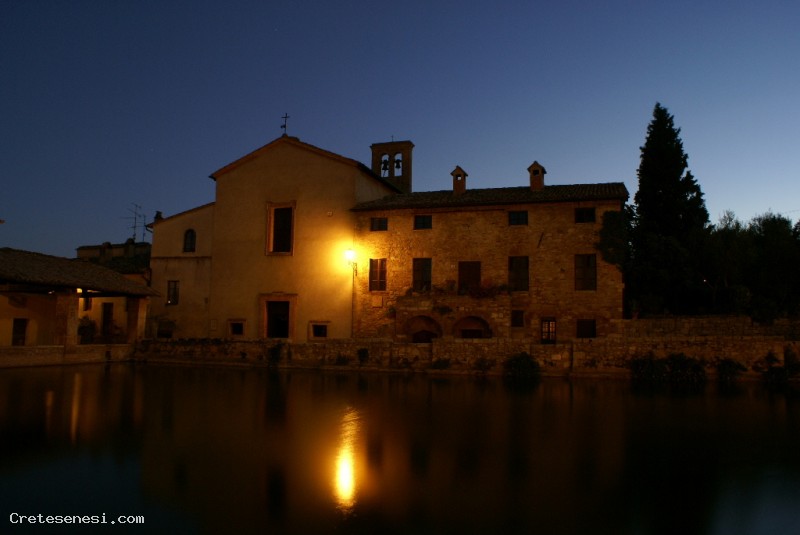
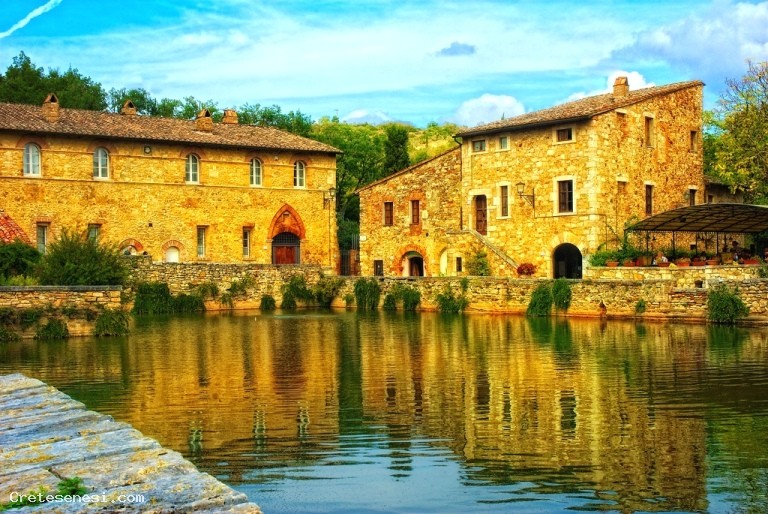
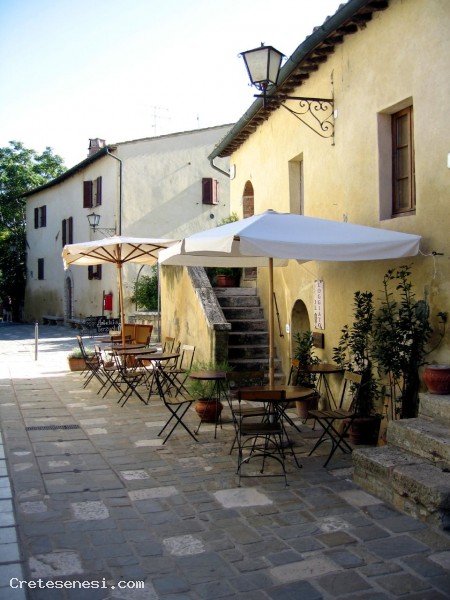
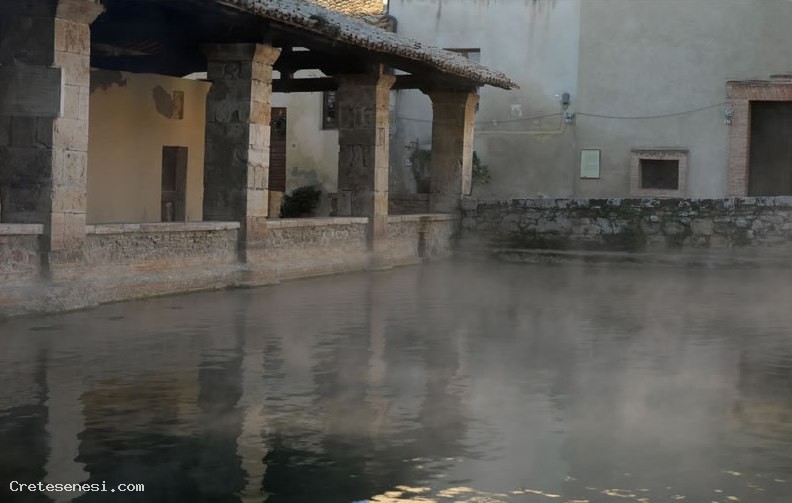
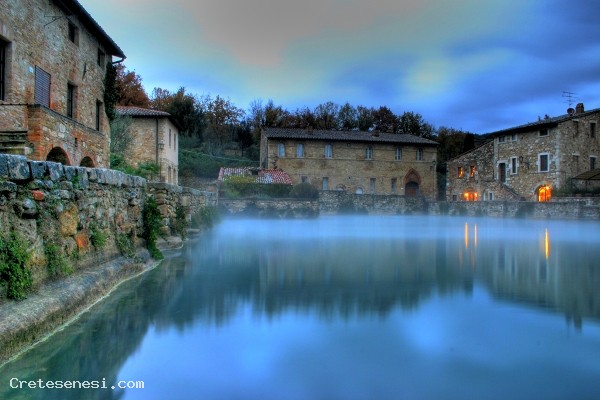
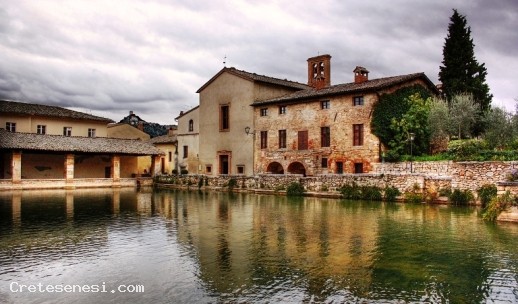
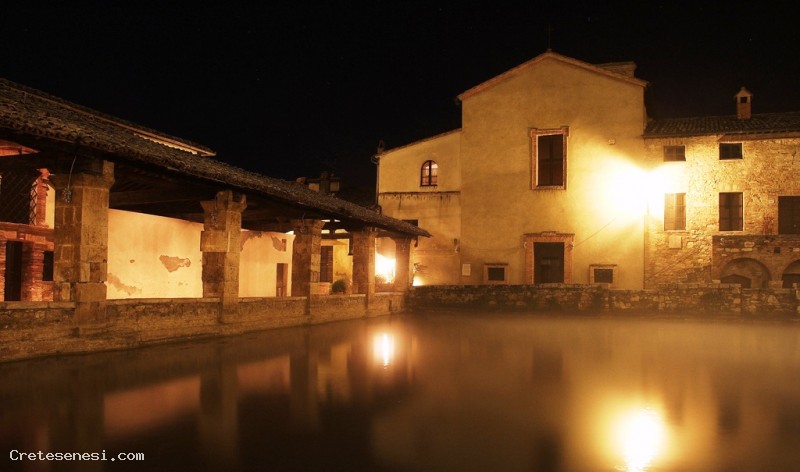
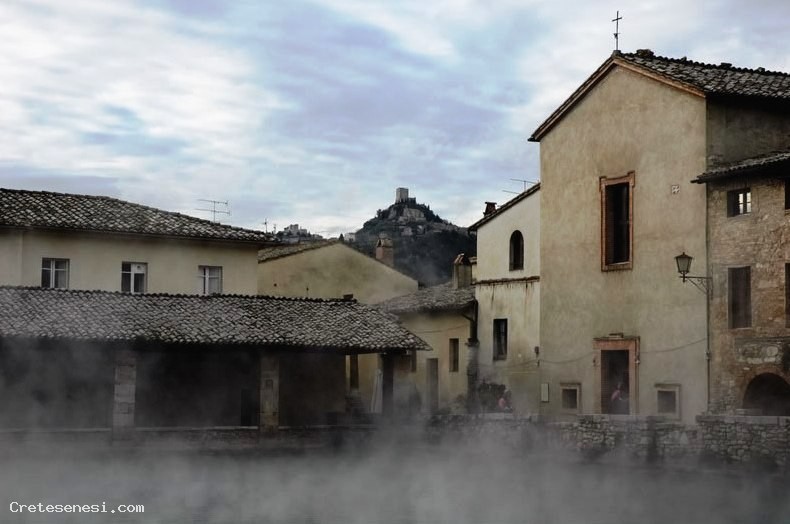
This small and charming village was created around a source of hot springs used since Roman times, as testified by numerous archaeological remains found on site and maintained at the National Archaeological Museum of Siena.
In the medieval period was dominated by a few powerful local families until, in the early years of the 'four hundred, became the property of the municipality of Siena.
Despite the many vicissitudes of war in which it was involved, the structure of the village has not substantially changed.
The characteristic of the village is to have developed, always, around a large rectangular pool fed by hot springs that arise profusely.
Around the pool you can still see the old houses, always inhabited by a few residents and many visitors who have stopped to enjoy the therapeutic benefits derived from the abundant hot springs available.
Another architectural feature that strikes the visitor is the old porch lungoe located along the west side of the tank, which is the percent of athe small chapel dedicated to St. Catherine.
Chapel, built in honor of the saint who lived there long.
In fact, that among the many distinguished visitors to the site, in addition to Pope Pius II and Lorenzo Medici, there has been senbra St Catherine of Siena, bring the mother who wanted to distract from the purpose to take monastic vows ..
Today Bagno Vignoni is a place known worldwide for its spas and why placed inside the district, unique landscape and rich history of the Val d'Orcia
STAY NEARBY
PODERE OLIVELLO
SAN GIOVANNI D'ASSO
“Olivello” is a typical farmhouse of the country culture which has left the an...PODERE OLIVELLO
SAN GIOVANNI D'ASSO
“Olivello” is a typical farmhouse of the country culture which has left the an...LA VECCHIA CAMERA
SAN GIOVANNI D'ASSO
The farmhouse “ La vecchia camera” is situated among the gentle hills of Crete...DINING & ENTERTAINMENT NEARBY
Ristorante La Locanda Del Castello
SAN GIOVANNI D'ASSO
Benvenuti a la Locanda del Castello di San Giovanni d’Asso piccolo hotel di charme n...Bar Associazione Assofutura
SAN GIOVANNI D'ASSO
...Teatrino della Grancia di Montisi
SAN GIOVANNI D'ASSO
In the west of the Grange of Montisi is a small theater. It originated as the late eightee...