


> Home > What to visit > Old Town

Asciano Asciano
OLD TOWN
PHONE NUMBERS AND TIMES
Asciano
Business card (vCard)
.jpg)
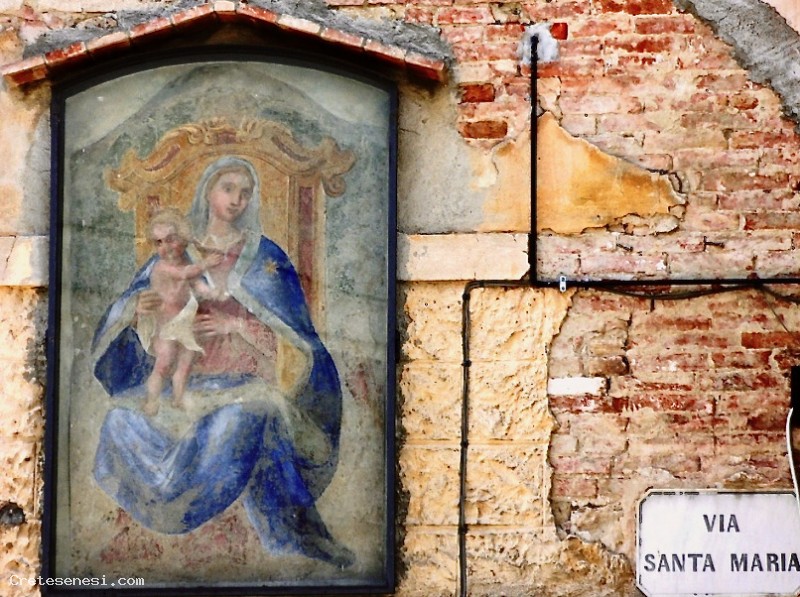
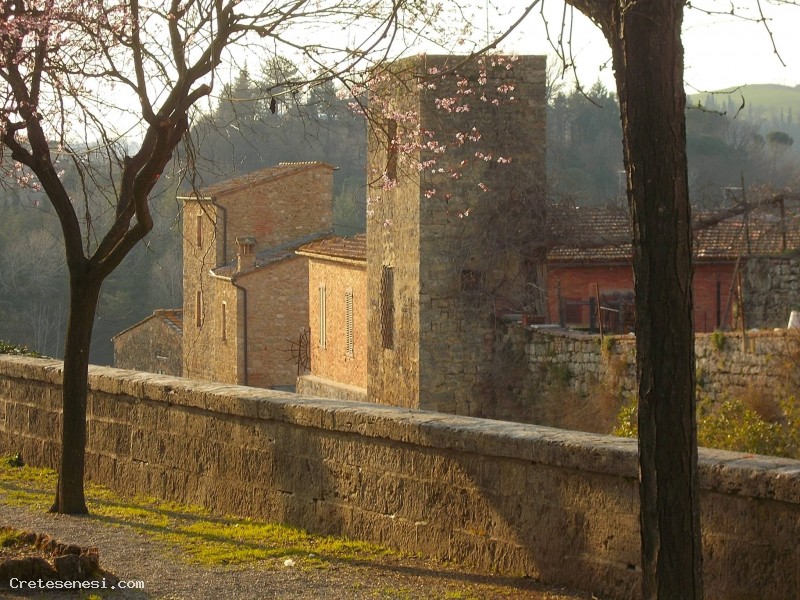
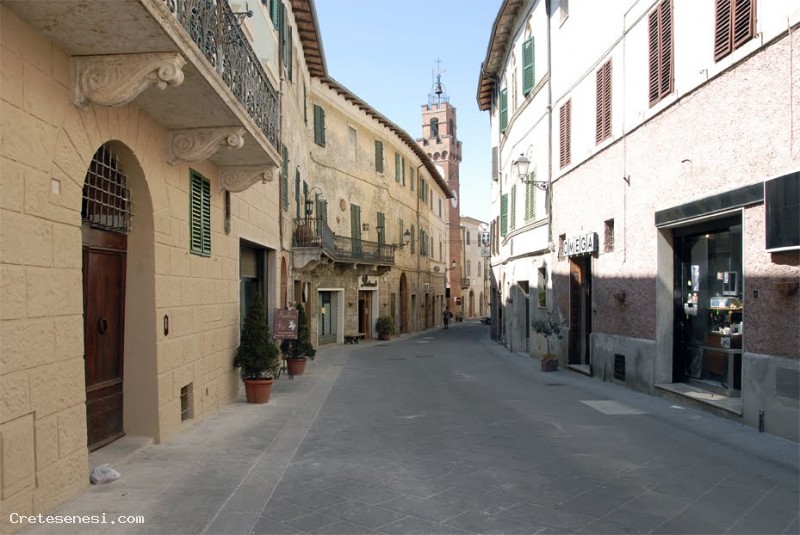
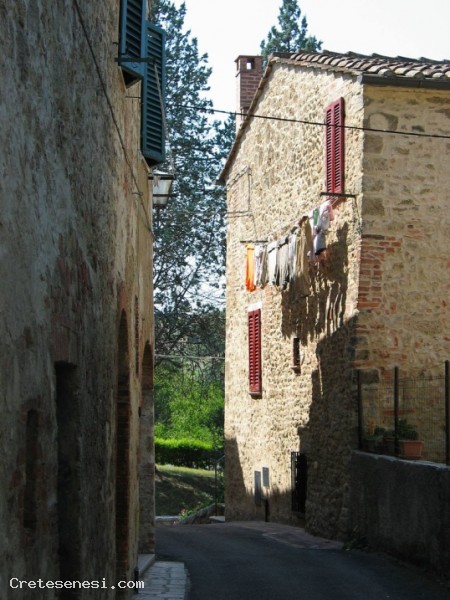
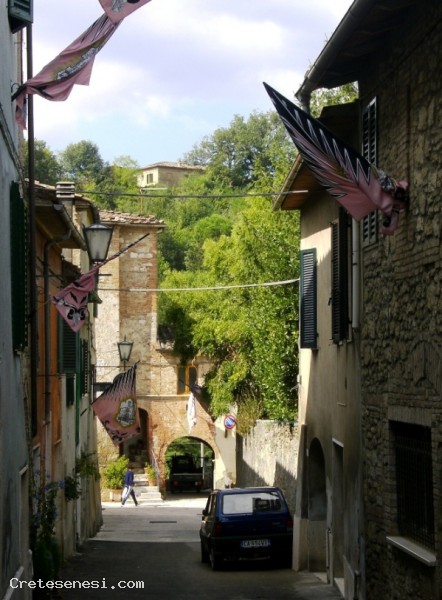
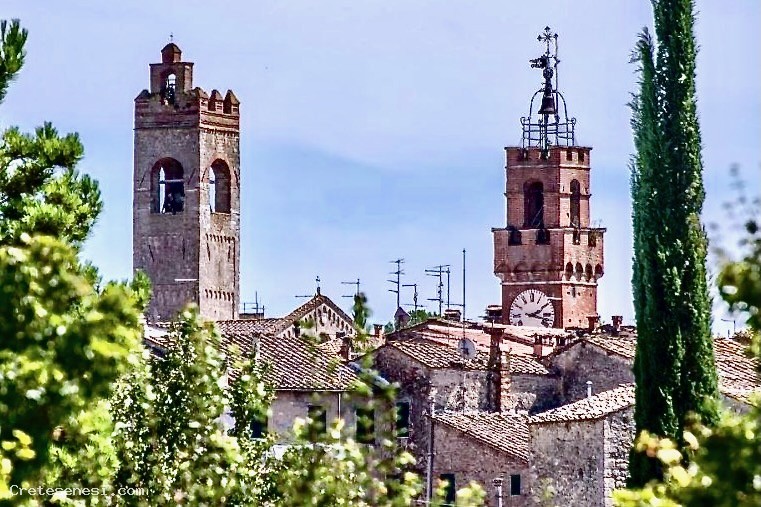
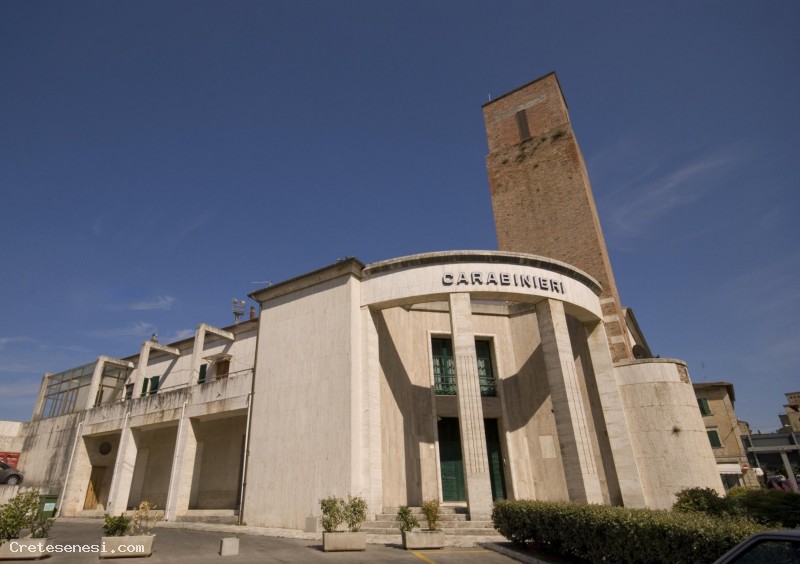
The town's origins are lost in legend associated with the founding of Rome. It seems that at the time the sons of Remus, and Aschio Senio, who fled the newly founded city and ruled by his uncle Romulus. Senio camped on the banks of the river Tressa, while Aschio settled on the left bank of the river Ombrone, founding new villages. They would have their origin Ascani and Siena, a city of Aschio.
The first written records of Asciano, however, date from the early eighth century. The text is contained in a document relating to the dispute between the bishops of Siena and Arezzo on the possession of some parishes, which include that of Asciano.
Later, in the ninth century, the castle of "Assianum" becomes exclusively owned Cacciaconti. At the end of the twelfth century, the village was conquered by the City of Siena and for this, attacked and devastated by the Florentines in 1234.
During the battle of Montaperti 1260, Asciano will earn the nickname "land of grace"for the massive and loyal contribution to the victory of the people of Siena.
After a period of domination by the family of the Tolomei, in the middle of the fourteenth century the country back to the possessions of the City of Siena.
Following the fate of the city in 1554 is placed under the Asciano giuridizione Medici. Then go to the Tuscan Grand Duchy of Lorraine, and Asciano lives epochs of the invasion of Napoleon, the Restoration and the Italian Risorgimento.
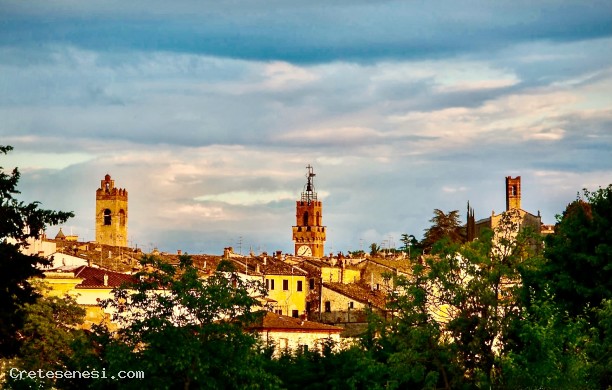
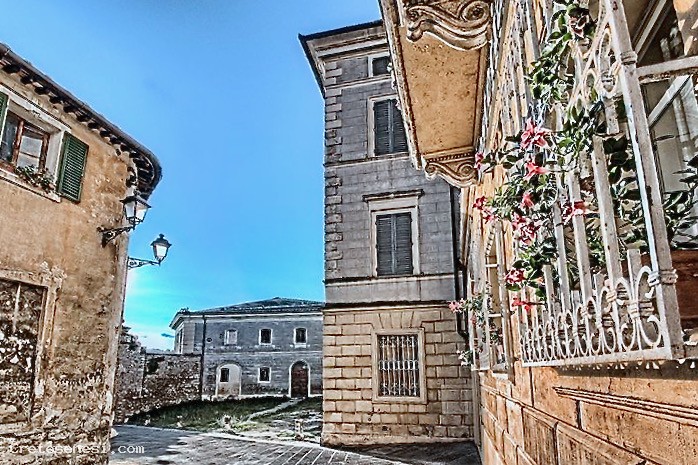
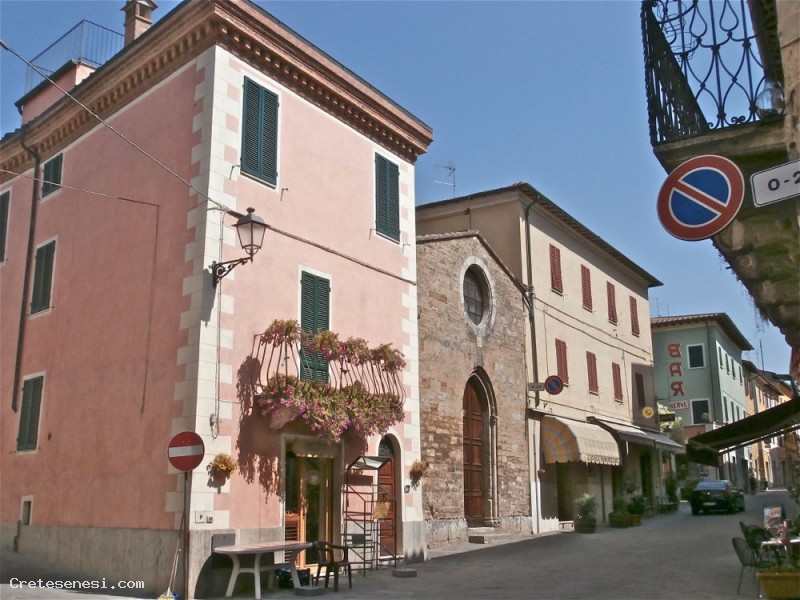
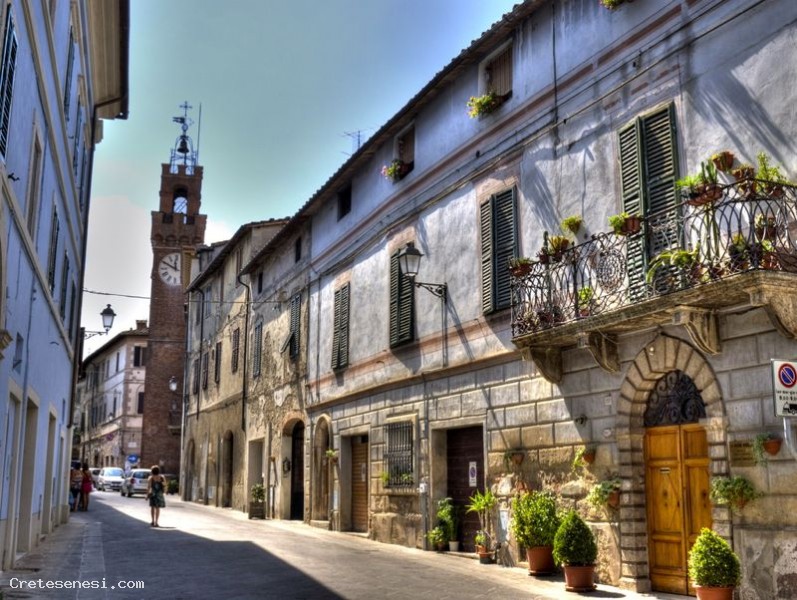
Despite the recent urban development, its historic center has kept its original medieval structure.
There are many places to visit inside the village, from two museums: Palazzo Corboli and Amos Cassioli.
ASCIANO, perché - breve nota delle motivazioni alle origini dell'insediamento urbano
The ABC of the history of Asciano
ASCIANO - Racconti storici sul paese del Garbo -1987 - Renato Lucatti
STAY NEARBY
LA PACE
ASCIANO
The "La Pace" hotel is located in Asciano, a village in the heart of the Crete S...SAN SEBASTIANO
ASCIANO
5 minutes on foot from the village of Asciano and near Siena, in the heart of the Crete Se...COSTA REGOLI
ASCIANO
Newly built farmhouse, set in the open countryside and away from noise. Location within wa...DINING & ENTERTAINMENT NEARBY
Bar GASTON di Davide Manieri & C.
ASCIANO
New place run by young people, for young and "differently young" people. &nbs...Ristorante L'Angolo dello Sfizio
ASCIANO
The Angle of Sfizio is located in the main street of the old town of Asciano. The resta...La Taverna del Granduca - Wine Bar
ASCIANO
Nuovo piccolo bar adattto alla clientela di tutte le età. Al pomeriggio organizza H...